
💎 Jewelry Store Theft Prevention: Practical Strategies for Retail Operations
Jewelry store theft prevention is not based on a single camera, alarm, tag, or security device. Effective prevention combines controlled merchandise handling, trained staff, secure showcases, inventory accountability, restricted access, clear operating procedures, and appropriate security technology.
Jewelry creates a particular retail-security challenge because individual pieces can be small, easy to move, and high in value. Theft prevention therefore needs to begin directly at the point where merchandise is displayed, presented to customers, transferred between employees, moved to repair or storage areas, and reconciled through inventory procedures.
This guide focuses on the operational practices jewelry stores can use to reduce theft opportunities. For information about cameras, access control, video intercom, alarms, electronic locks, and other security technologies, see our Jewelry Store Security Systems guide.
🛡️ 1. Reduce Theft Opportunities During Customer Presentation
Many jewelry theft risks occur during normal customer interaction rather than at the store entrance. A strong merchandise-handling process helps employees maintain accountability for every item removed from a showcase.
Useful operating practices can include:
- 💍 Presenting a controlled number of jewelry items at one time.
- 📋 Maintaining awareness of how many pieces have been removed from the showcase.
- 🔄 Returning merchandise to its controlled location before introducing additional items when appropriate.
- 👤 Keeping responsibility for displayed merchandise clear when one employee hands a customer to another employee.
- 🧰 Using trays or defined presentation areas so merchandise does not become mixed with personal items, packaging, paperwork, or other jewelry.
- 🚫 Avoiding unattended jewelry on counters or presentation surfaces.
- 🔐 Returning higher-value merchandise promptly to a locked or monitored location after presentation.
The objective is simple: employees should be able to determine what merchandise was removed, what was returned, and what remains in the presentation area throughout the customer interaction.
🔐 2. Keep Jewelry Showcases Under Controlled Access
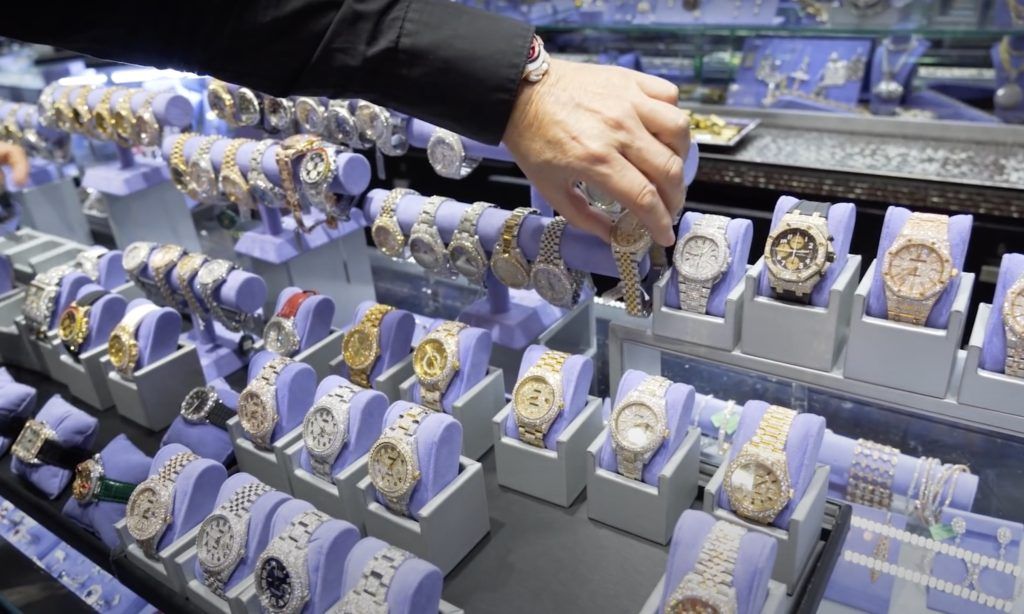
Secure jewelry showcases help maintain controlled access to valuable merchandise.
Display cases are one of the most important operational control points in a jewelry store. The objective is not only to make forced access more difficult, but also to maintain clear control over when merchandise is accessible and who is responsible for it.
Jewelry stores should consider procedures such as:
- 🔑 Keeping showcase keys or access credentials under controlled staff responsibility.
- 🪟 Keeping unused showcase sections secured while merchandise is being presented elsewhere.
- 👁️ Avoiding open showcases that are temporarily unattended.
- 📋 Checking showcase contents as part of routine opening, shift, and closing procedures.
- 🔒 Using suitable locks and physical showcase construction for the value and type of merchandise displayed.
- 🧭 Designing customer and employee movement so presentation areas remain visible to staff.
Physical showcase protection should be coordinated with the broader store-security design rather than treated as a separate issue.
For cameras, electronic access control, video intercom, alarms, and door security, see Jewelry Store Security Systems.
👥 3. Train Staff for Consistent Jewelry Theft Prevention

Jewelry store theft prevention depends on consistent staff procedures as well as physical security.
Employees are one of the most important parts of a jewelry store theft prevention program. Procedures are most effective when employees understand not only what to do, but also why the procedure exists.
👋 Customer Engagement
Prompt, professional customer engagement helps staff maintain awareness of activity throughout the sales floor while also improving the customer experience.
Security awareness should focus on observable behavior and merchandise-handling conditions, not assumptions based on appearance, background, or personal characteristics.
👀 Situational Awareness
Employees should remain aware of situations that can make merchandise accountability more difficult, including simultaneous requests for multiple items, attempts to redirect staff attention, unusually complicated handoffs, or activity that causes employees to lose track of merchandise already removed from a showcase.
The goal is not confrontation. If an employee becomes concerned, the store should have a defined procedure for obtaining assistance and maintaining control of merchandise.
🔄 Staff Handoffs
When responsibility for a customer or jewelry presentation moves from one employee to another, merchandise responsibility should move clearly as well. A brief verification of the items currently outside the showcase can prevent uncertainty later.
💍 4. Maintain Item Accountability During Every Jewelry Handoff
A jewelry item can pass through many hands during its normal lifecycle:
Showcase → Sales Associate → Customer Presentation → Return → Repair → Storage → Transfer → Sale
Each transition creates an opportunity for an inventory discrepancy if responsibility is unclear.
For high-value merchandise, jewelry stores can establish defined handoff procedures for:
- 💎 Customer presentations
- 🔧 Jewelry sent to or returned from repair
- 📦 Receiving new merchandise
- 🔄 Transfers between showcases or departments
- 🏬 Transfers between store locations
- 📋 Inventory counts
- 🧾 Merchandise prepared for sale, pickup, or shipment
- 🔐 Movement into or out of restricted storage
Clear item responsibility makes it easier to identify where a discrepancy occurred instead of discovering an unexplained shortage much later.
📋 5. Use Inventory Control as a Theft Prevention Tool
Jewelry theft prevention and inventory control are closely related. A store cannot respond quickly to a missing item if it does not know what merchandise should be present and where it should be located.
Useful inventory procedures can include:
- ✅ Opening and closing verification of selected high-value inventory.
- 🔄 Regular cycle counts rather than relying exclusively on infrequent full inventories.
- 📍 Maintaining known merchandise locations where practical.
- 🔧 Separate records for merchandise temporarily in repair or service.
- 📦 Documentation of receiving and transfers.
- 🔍 Prompt investigation of unexplained inventory discrepancies.
- 🧾 Reconciliation with relevant sales, return, repair, and transfer records.
More detailed inventory procedures are covered in our Jewelry Inventory Management guide.
For the broader issue of theft, shrinkage, misplacement, and inventory discrepancies, see Jewelry Loss Prevention.
👤 6. Reduce Internal Theft Risk Through Accountability
Jewelry store theft prevention should address both external and internal risks. The objective of internal controls is not to treat employees as suspects; it is to create clear accountability for valuable merchandise and restricted areas.
Depending on the business, appropriate controls can include:
- 🔐 Restricting access to stockrooms and high-value storage areas.
- 👤 Using individual access credentials instead of shared credentials where appropriate.
- 🕒 Maintaining access records for controlled areas.
- 📋 Recording important merchandise transfers and repair movements.
- 🔄 Reconciling inventory discrepancies promptly.
- 👥 Using additional verification for selected high-value transfers where the business requires it.
- 🗝️ Maintaining responsibility for keys, credentials, and restricted storage access.
Electronic access control can support these procedures by helping the business determine who was authorized to enter a protected area and when. See Access Control Systems.
🏪 7. Establish Opening, Closing and Shift Procedures
Routine transitions are important because merchandise responsibility may change between employees, shifts, or operating conditions.
A jewelry store can establish repeatable procedures for:
- 🌅 Opening selected showcases and controlled areas.
- 📋 Verifying important merchandise before customer operations begin.
- 🔄 Employee or shift changes.
- 🔑 Transferring keys or access responsibility.
- 🌙 Returning merchandise to designated secure locations at closing.
- 🔍 Investigating discrepancies before they become more difficult to trace.
The exact process should reflect the store layout, staffing model, merchandise value, and existing security systems.
📹 8. Use Cameras, Access Control and Alarms as Supporting Layers
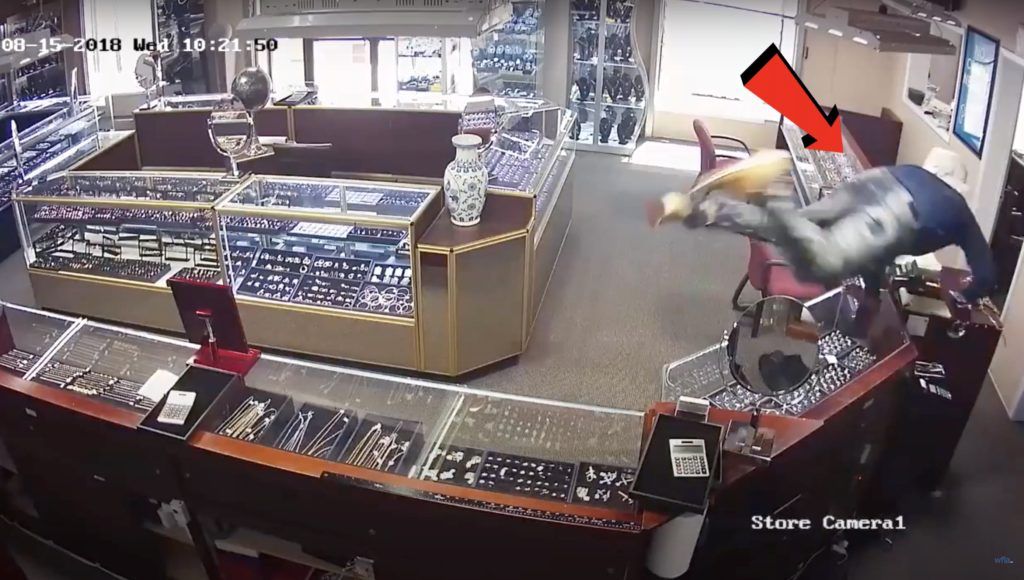
Physical security and surveillance can support jewelry store theft prevention procedures.
Technology can strengthen jewelry store theft prevention, but different systems perform different jobs.
- 📹 Video surveillance can provide visual information about activity and support event review.
- 🚪 Access control can restrict stockrooms, offices, repair areas, and employee-only locations.
- 📞 Video intercom can help staff evaluate visitors before controlled entry is granted.
- 🚨 Alarm systems can respond to defined intrusion or security events.
- 🔓 Electronic door hardware can support controlled entrances and restricted areas.
These technologies belong to the broader physical-security layer. Detailed information is available on our Jewelry Store Security Systems page.
📡 9. Add Automated Jewelry Monitoring Where Appropriate
Operational procedures can be complemented by automated item-level monitoring in selected jewelry display areas.

Automated jewelry monitoring can complement staff procedures and physical store security.
The Fresh USA Smart Shelf jewelry monitoring system uses individually identified jewelry tags and configured monitoring areas to provide an additional layer of protection directly around selected merchandise.
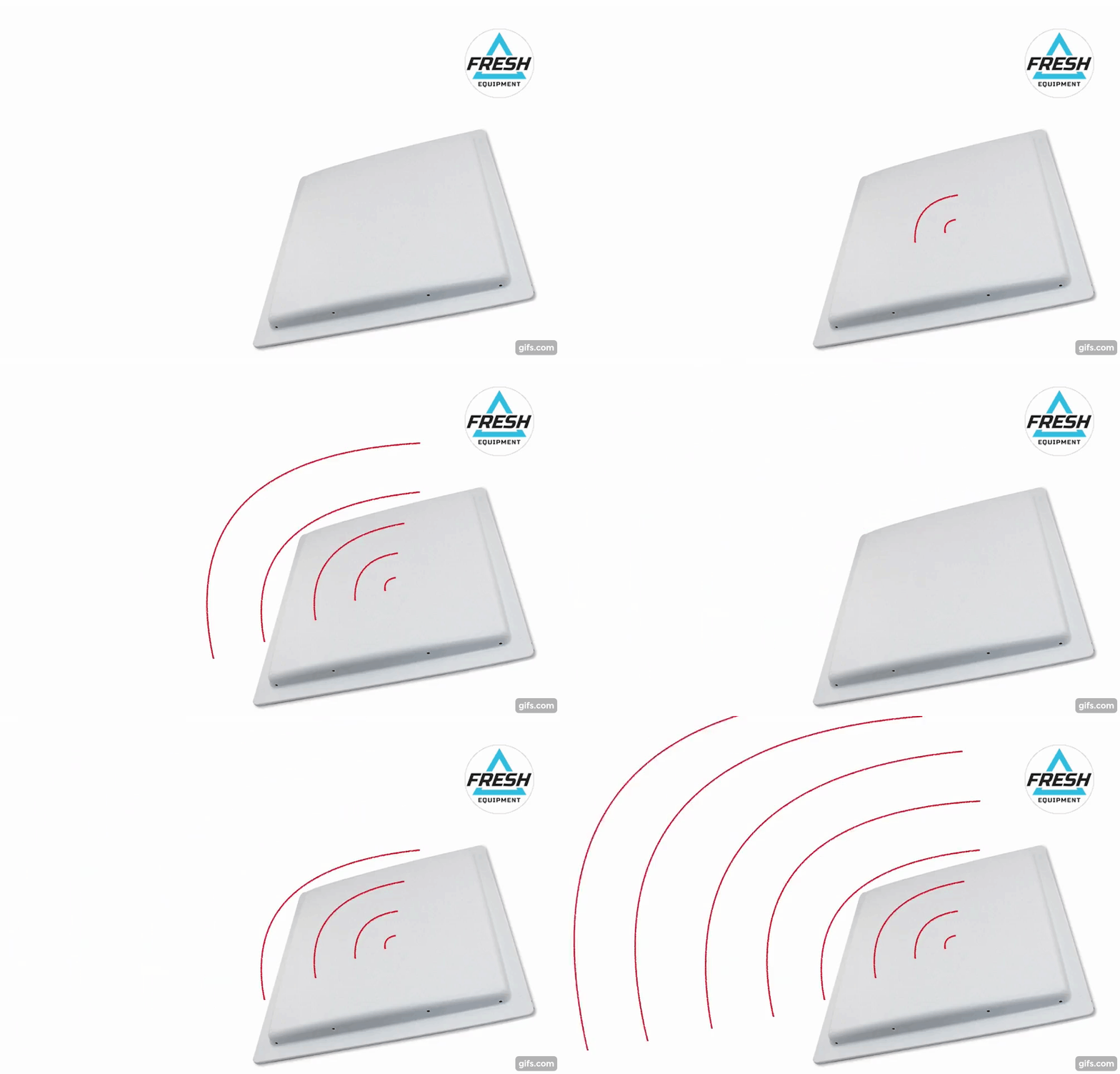
A monitored jewelry area can help detect when protected merchandise is no longer detected in its designated location.
If a protected item that should remain inside the monitored area is no longer detected, the system can identify the affected merchandise and generate a security event.
The system can also be equipped with a mobile notification option. Depending on the selected configuration, security events can generate app notifications, SMS alerts, or automated phone calls using GSM / 4G or configured network communication.
Optional Electronic Door Control: The Fresh USA Smart Shelf jewelry system includes a relay output that can be connected to compatible electronic locking hardware or a door-control circuit. Depending on the configured security workflow, a jewelry security event can activate the relay and trigger a door-control action, including locking or blocking a controlled door where permitted by the door design and applicable fire/life-safety requirements.
Electronic door control is an optional response layer. The Smart Shelf system does not require an electronic lock in order to perform its core jewelry monitoring, local alarm, inventory, or notification functions.
Important: Fresh USA jewelry security tags used with the Smart Shelf system are not the same as conventional exit-door anti-theft tags. Jewelry Smart Shelf monitoring operates around configured merchandise areas rather than depending on the jewelry reaching the store exit.
For the complete system, equipment, tags, software, operation and pricing information, see the dedicated Jewelry Theft Prevention System page.
More technical information about the monitored-area principle is available at Smart Shelf for Theft Prevention.
🔍 10. Have a Procedure for a Missing Jewelry Item
When an item cannot be located, the response should begin with verification rather than assumptions.
A structured missing-item procedure can include:
- 📋 Confirming the item identity and expected location.
- 🔄 Checking whether the item was transferred, sold, returned, repaired, or temporarily moved.
- 👥 Confirming recent merchandise handoffs.
- 📦 Reviewing receiving, transfer, repair, or shipping records where relevant.
- 📹 Reviewing appropriate video records when available.
- 🚪 Reviewing restricted-area access records when relevant.
- 📝 Documenting the discrepancy and investigation.
- 🚨 Following the store’s established security and incident-response procedures if theft is suspected.
Employees should prioritize personal safety and follow established store procedures rather than attempting unsafe physical intervention.
⚠️ 11. Separate Theft Prevention From Robbery and Burglary Planning
Jewelry theft, burglary, and robbery are related security concerns, but they are not the same problem.
Merchandise theft may involve an item disappearing during normal business activity. Burglary generally involves unauthorized entry into the premises. Robbery introduces direct threats to people and requires a different emergency-response approach.
Jewelry store theft prevention procedures should therefore complement — not replace — appropriate intrusion protection, robbery procedures, panic devices, physical security, surveillance, and employee safety planning.
See Jewelry Store Robbery and Theft Prevention for that separate security topic.
✅ Jewelry Store Theft Prevention Checklist
- ☑️ Keep responsibility clear for jewelry removed from showcases.
- ☑️ Limit unattended merchandise during customer presentations.
- ☑️ Maintain controlled showcase access.
- ☑️ Establish consistent employee handoff procedures.
- ☑️ Perform regular inventory verification.
- ☑️ Investigate unexplained discrepancies promptly.
- ☑️ Control access to stockrooms and restricted areas.
- ☑️ Maintain clear opening, closing, and shift-change procedures.
- ☑️ Use cameras, alarms, and access control as supporting security layers.
- ☑️ Consider automated item-level monitoring for selected high-value display areas.
- ☑️ Maintain a documented procedure for missing merchandise.
- ☑️ Train employees to prioritize personal safety during security incidents.
🔗 Related Jewelry Security Resources
| Security Need | Detailed Resource |
|---|---|
| Automated jewelry monitoring | Jewelry Theft Prevention System |
| Complete store security technology | Jewelry Store Security Systems |
| Theft, shrinkage and inventory discrepancies | Jewelry Loss Prevention |
| Jewelry inventory procedures | Jewelry Inventory Management |
| Jewelry security tags | Anti-Theft Jewelry Tags |
| Smart Shelf technology | Smart Shelf for Theft Prevention |
| Broad commercial protection methods | How to Protect Jewelry From Theft |
| Robbery and forced-entry risks | Jewelry Store Robbery and Theft Prevention |
❓ Jewelry Store Theft Prevention FAQ
What is jewelry store theft prevention?
Jewelry store theft prevention is the use of operating procedures, staff training, merchandise controls, inventory accountability, physical security, and appropriate technology to reduce opportunities for jewelry theft and identify missing merchandise more quickly.
How can jewelry stores reduce theft during customer presentations?
Stores can maintain clear responsibility for merchandise removed from showcases, control the number of items presented at one time, avoid leaving jewelry unattended, use defined presentation areas, and verify that merchandise is returned before responsibility changes between employees.
Are security cameras enough to prevent jewelry theft?
No. Cameras are an important security layer, but they do not replace merchandise-handling procedures, inventory controls, showcase security, access control, or item-level monitoring. Jewelry store theft prevention works best when several complementary measures are used together.
How does inventory management help prevent jewelry theft?
Accurate inventory records and frequent verification help a store identify missing merchandise sooner, determine its expected location, and investigate discrepancies using sales, transfer, repair, access, or video records where appropriate.
How can jewelry stores reduce internal theft risk?
Clear merchandise accountability, controlled access to restricted areas, individual credentials where appropriate, documented transfers, regular inventory verification, and prompt discrepancy review can help reduce internal theft opportunities without relying solely on surveillance.
Can jewelry stores automatically monitor individual jewelry items?
Yes. A properly configured Smart Shelf jewelry monitoring system can monitor individually tagged merchandise within selected display or showcase areas and generate a security event when an item that should remain in the monitored area is no longer detected.
Do Smart Shelf jewelry tags work like ordinary exit anti-theft tags?
No. Fresh USA jewelry security tags are designed for the Jewelry Smart Shelf system. They are not intended to operate as conventional tags for the regular overhead exit anti-theft system.
Can jewelry theft alerts be sent to a mobile phone?
Yes. The Fresh USA jewelry Smart Shelf system can be equipped with a mobile notification option. Depending on the selected configuration, security events can generate app notifications, SMS alerts, or automated phone calls using GSM / 4G or configured network communication.
What should employees do when a jewelry item is missing?
Employees should first verify the item identity and expected location, review recent sales, transfers, repairs, returns, and merchandise handoffs, and follow the store’s established discrepancy and security procedures. Relevant video or access records can also support the investigation where available.
Is jewelry store theft prevention the same as robbery prevention?
No. Merchandise theft, burglary, and robbery involve different risks. Jewelry theft prevention focuses primarily on merchandise accountability and reducing theft opportunities, while robbery and forced-entry risks require additional emergency procedures and physical security planning.
✅ Build a Stronger Jewelry Store Theft Prevention Process
Effective jewelry store theft prevention comes from making merchandise accountability part of normal store operations. Staff procedures, secure showcases, controlled access, inventory verification, surveillance, and automated jewelry monitoring can each address a different part of the risk.
Fresh USA can help evaluate which electronic security and inventory layers can complement your existing store procedures, including Smart Shelf jewelry monitoring, mobile alerts, RFID inventory management, access control, video intercom, electronic door control, and other compatible security components.