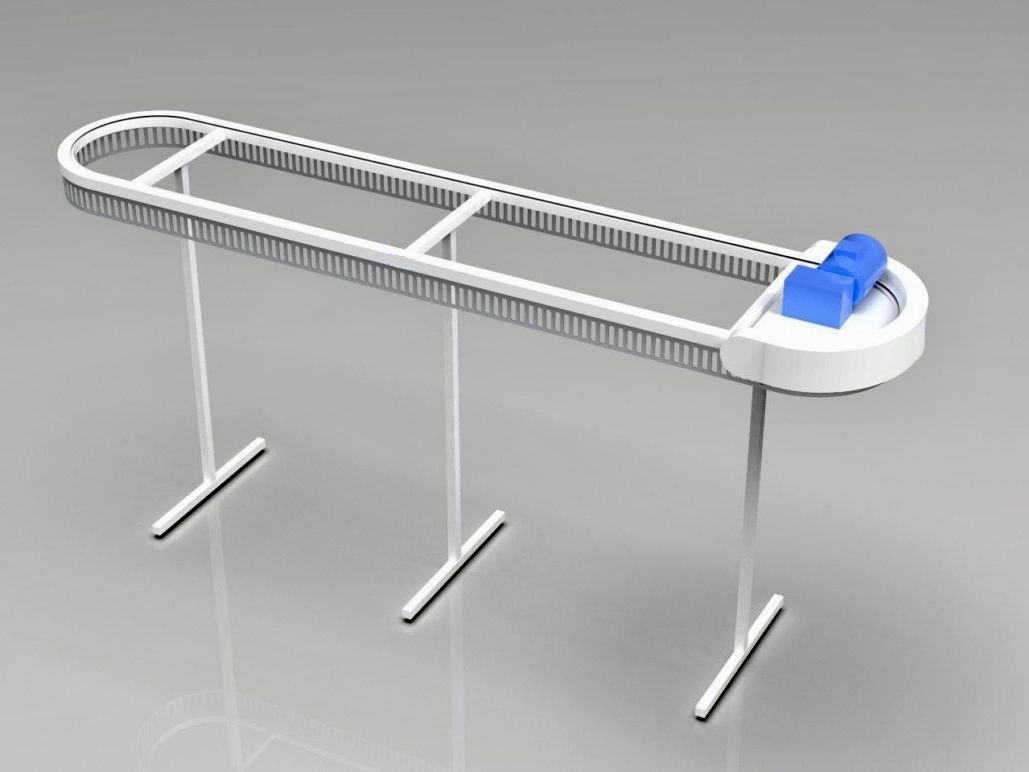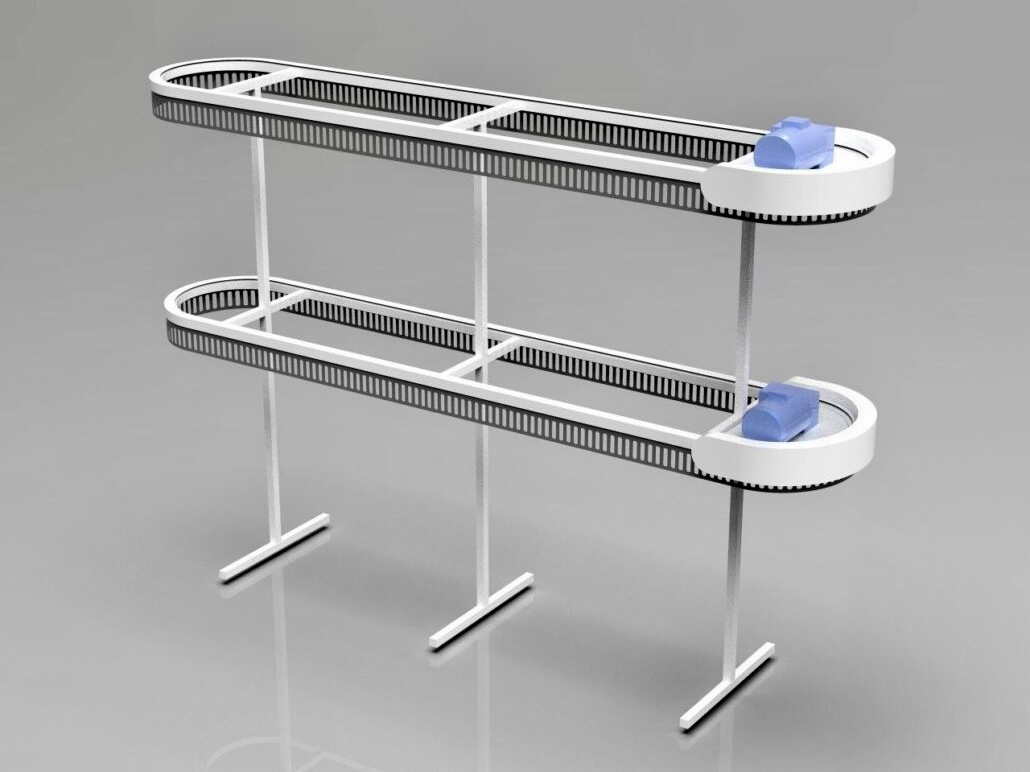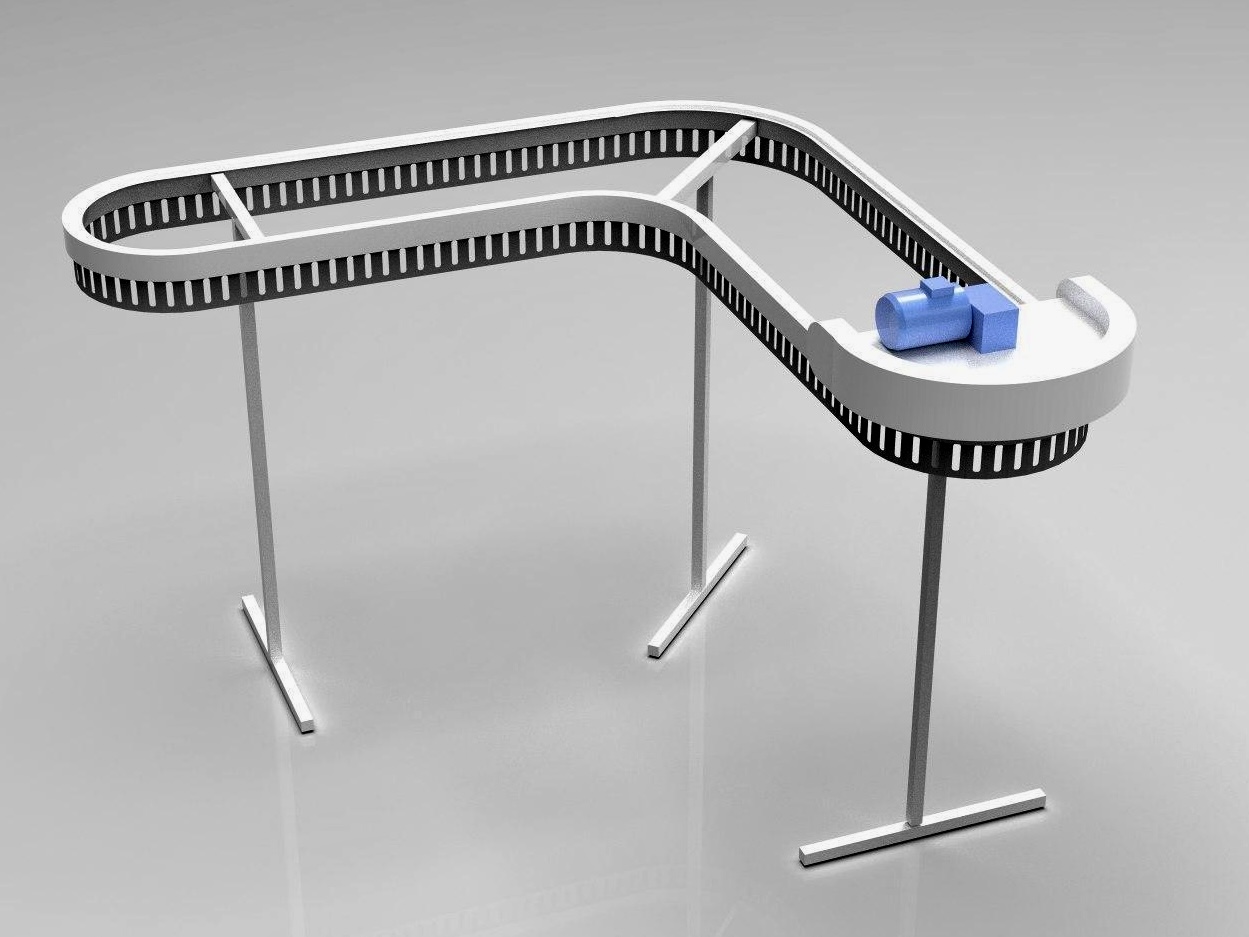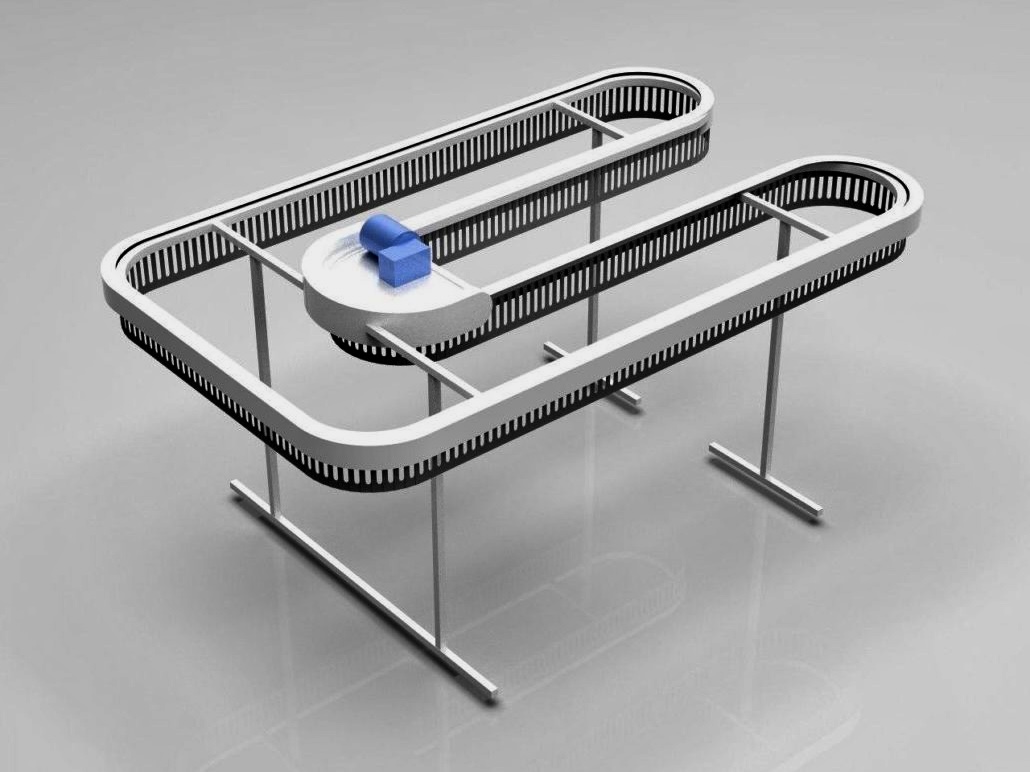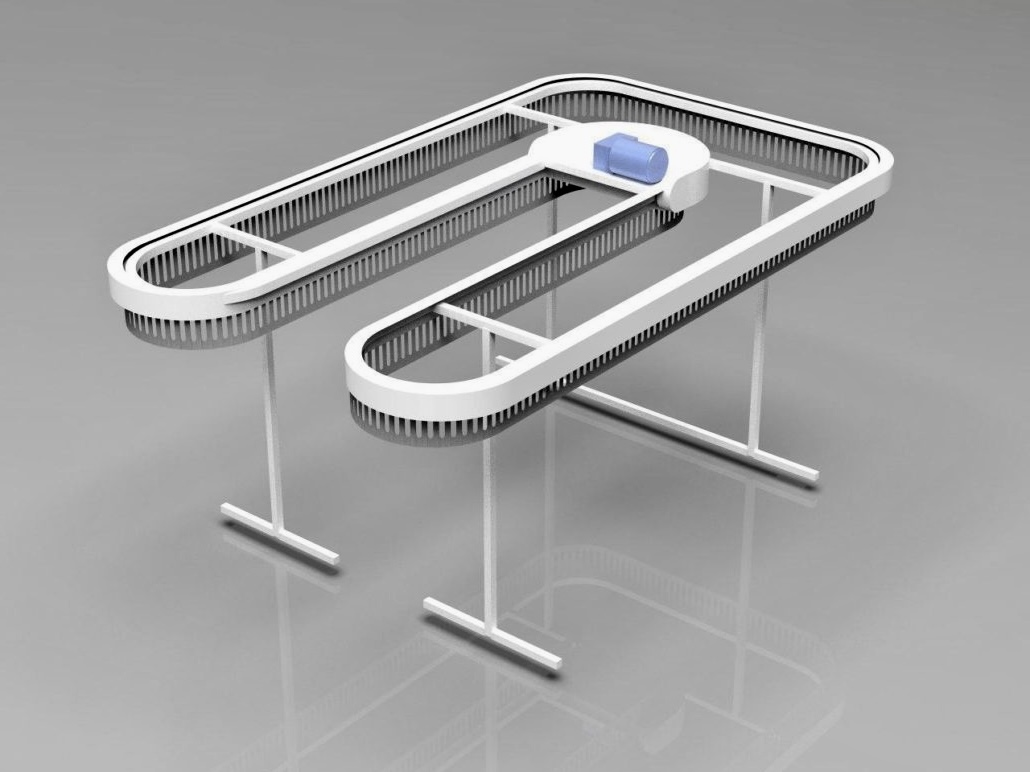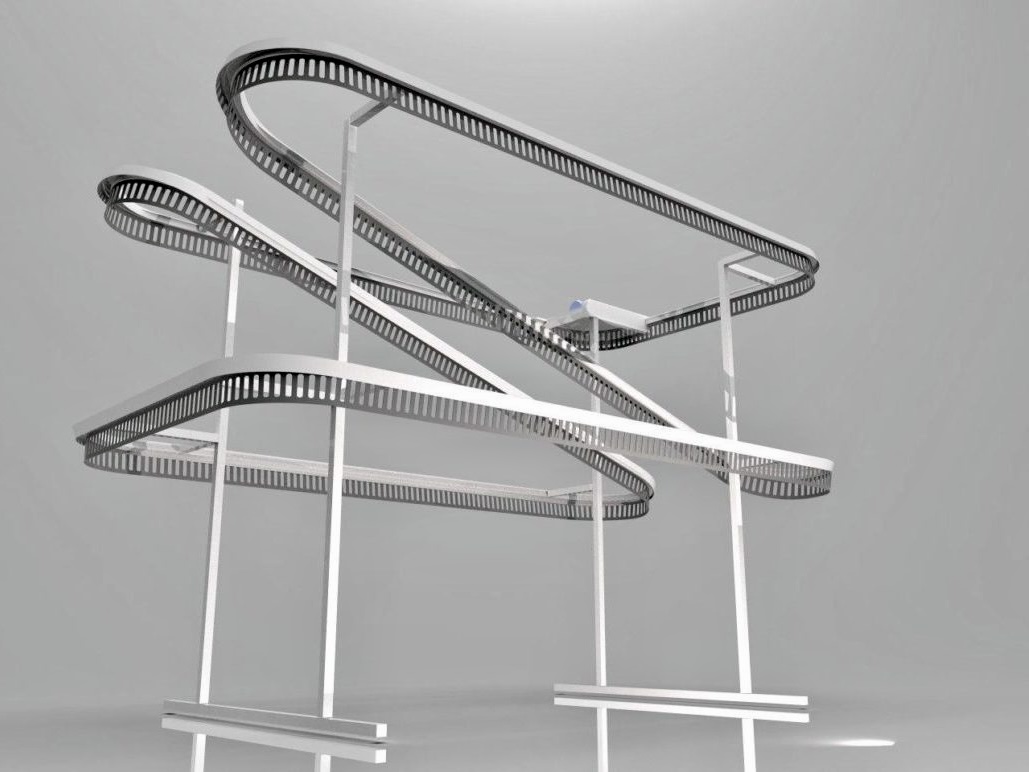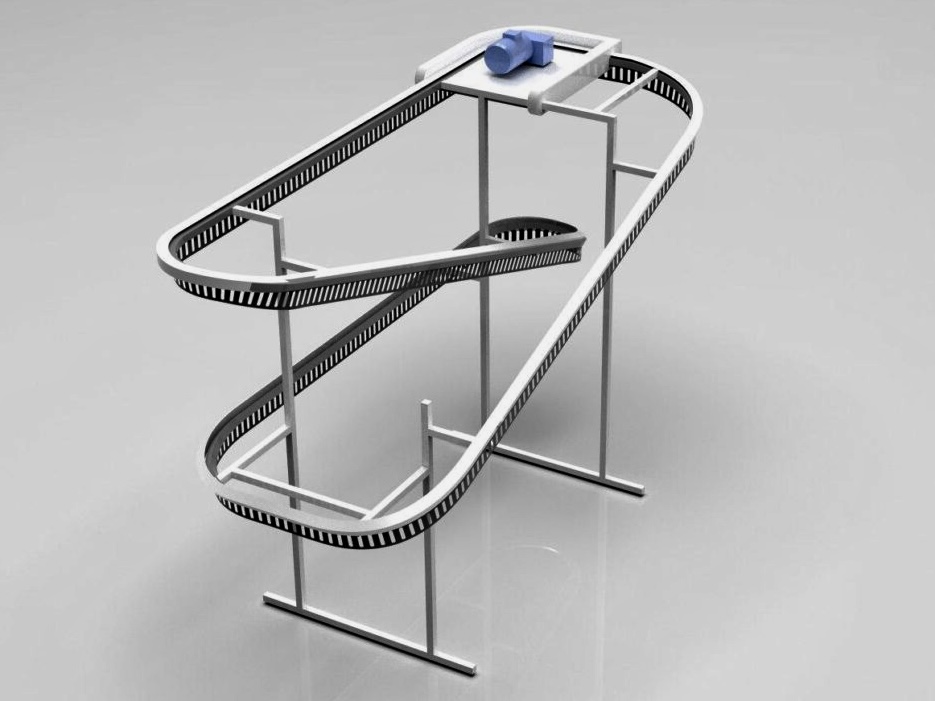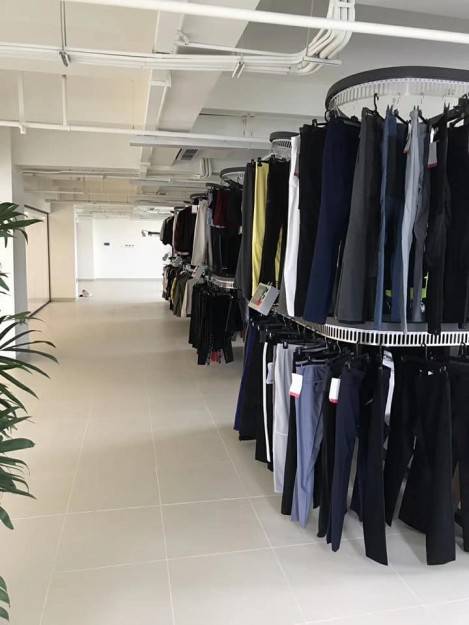
Motorized wardrobe organization is the everyday process of arranging clothing on a moving storage system so items are easy to find and return. The equipment improves access, while your storage categories determine how useful that access becomes.
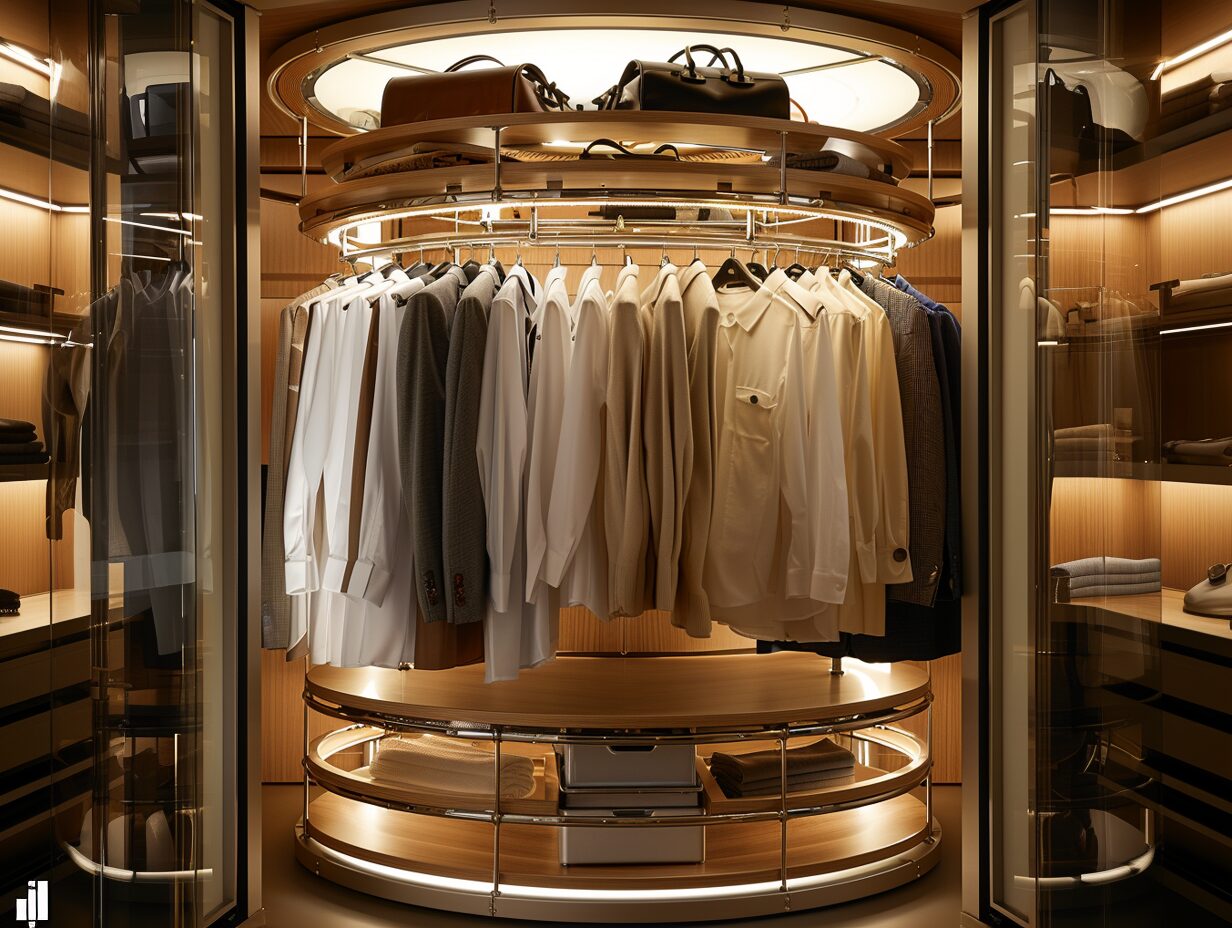
Fresh USA supports motorized wardrobe organization with suitable garment-storage equipment.
This guide addresses the contents and daily routine of an equipped wardrobe. For model selection, use the closet carousel models and options. For unusual room shapes and unused corners, see smart storage ideas for difficult spaces.
Start With Everyday Clothing
Daily garment organization should make the garments you use most often easy to locate. Group clothing according to how you get dressed: workwear, casual items, evening clothing or another arrangement that suits the household.
Avoid creating more categories than you can maintain. The arrangement works best when returning an item to its normal section takes little effort.
Motorized Wardrobe Clothing Categories
Separate shirts, jackets, trousers, dresses and coats where it improves browsing. Keep garments with similar hanging requirements together. Motorized wardrobe organization should take long clothing into account so it remains clear of the floor and surrounding fixtures.
Plan enough room to see the clothing rather than squeezing every available position. Nominal hanger capacity does not define the most comfortable everyday loading level for every garment collection.
Motorized Wardrobe Seasonal Zones
Daily garment organization can assign distinct areas to daily clothing and less frequently used garments. A seasonal review helps keep the useful sections current without rearranging the entire system each week.
Before moving clothing between zones, inspect its length and bulk. Motorized wardrobe organization should preserve the approved loading and clearance conditions even when winter coats replace lighter garments.

Motorized Wardrobe Return Routine
Give each clothing category an understandable home. Daily garment organization becomes easier when everyone returns garments to the same section after use. If two people share a wardrobe, agree on the boundaries.
Leave practical space for recently cleaned items and changes in the collection. A crowded section is harder to maintain and can make browsing inconvenient.
| Routine | Useful approach | Keep consistent |
|---|---|---|
| Daily dressing | Group garments around outfit selection | Category boundaries |
| Returning clothing | Use the same section after wear or cleaning | Room for replacement garments |
| Seasonal change | Rotate daily and occasional zones | Garment clearance |
| Shared wardrobe | Assign users or shared categories | Agreed return rules |
Coordinate Hanging Accessories
Compatible organizers may help keep smaller items near the garments they accompany. Motorized wardrobe organization should account for their full dimensions and weight distribution. Confirm unusual attachments with Fresh USA before adding them.
Some shoes, handbags and folded items work better on fixed shelves. Use the guide to garment and accessory storage zones to plan those zones. This approach does not require every personal item to travel around the track.

Use Controls From the Intended Position
Browse clothing from the planned operating area using the controls supplied for the equipment. Daily garment organization should allow the user to stop a useful section where garments can be removed and returned conveniently.
Keep the access area clear of temporary bags, boxes and laundry containers. Follow the equipment instructions when loading or operating the system.
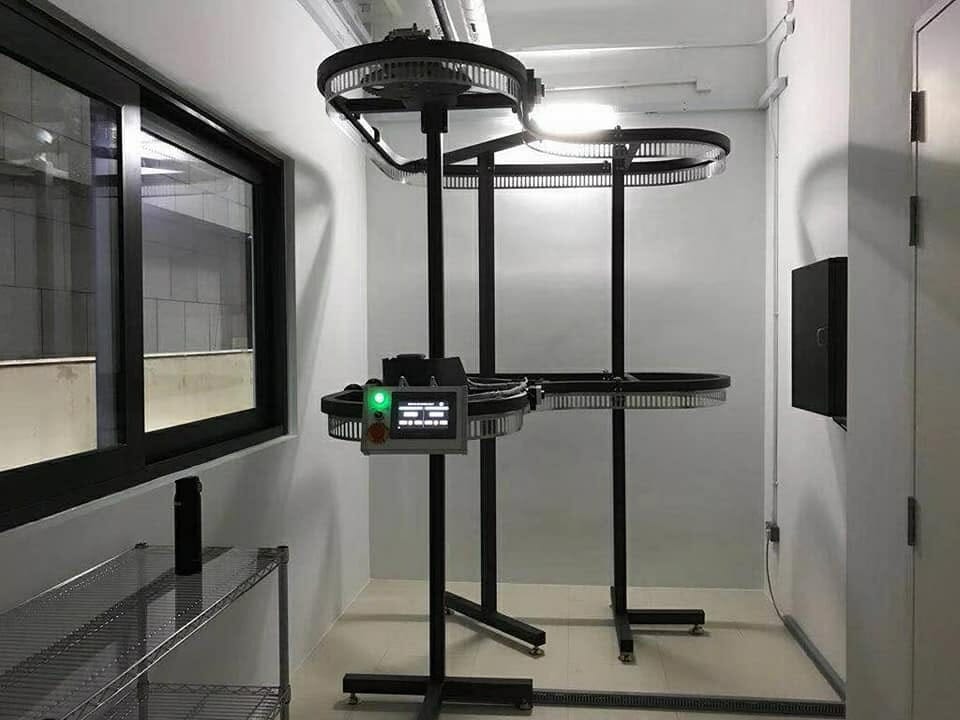
Keep Long Garments in Suitable Zones
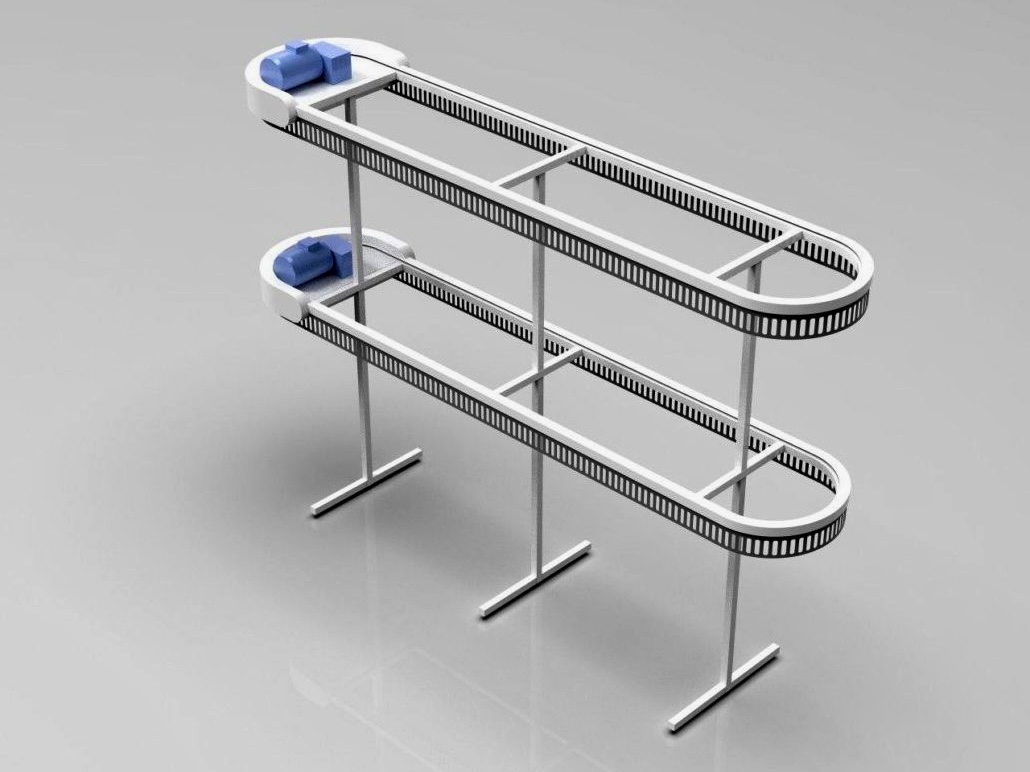
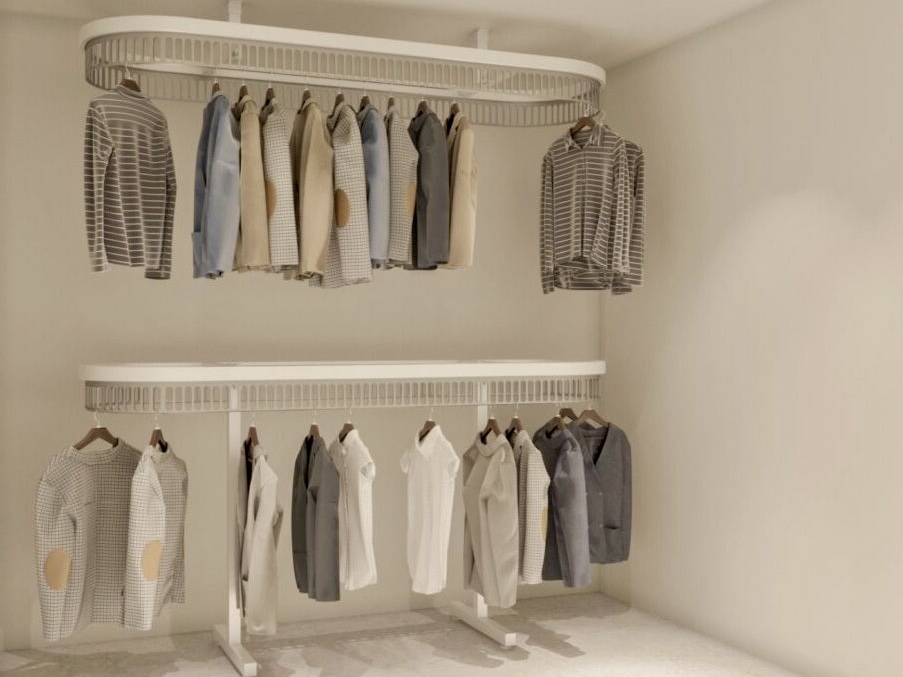
Daily garment organization should distinguish long dresses and coats from shorter clothing when the configuration requires it. In a two-tier arrangement, each level must have appropriate garment clearance and access.
Do not move a long garment to another level simply to keep categories together. A practical daily routine works within the approved configuration rather than changing its physical limits.
Review the Collection Periodically
Changes in clothing quantity can affect browsing and loading. Motorized wardrobe organization benefits from checking whether sections remain easy to identify and use. Remove empty packaging and review items that no longer need immediate access.
If additional garments or heavier accessories are planned, ask whether the equipment configuration needs review. Capacity and loading requirements should come from current equipment documentation.

Shared Motorized Wardrobe Storage
Daily garment organization for a shared room can separate users by section or category. Choose an arrangement that makes sense to both people. Simple labels on appropriate fixed surfaces may help, provided they do not interfere with the mechanism.
Keep a shared return rule for clothing that belongs in another person’s area. A predictable routine is more useful than frequent changes to the category system.
When Equipment Changes Are Needed
If the daily routine remains awkward, identify whether the problem is sorting, loading or physical access. Motorized wardrobe organization can solve a category problem; a clearance or support problem needs a layout review.
Use the closet carousel layout guide for changes to the room arrangement. Send Fresh USA photographs and details before changing the installation or adding substantial new loads.

Organization Questions
Does motorized wardrobe organization need software?
The sorting approach described here does not require software. Any search or integration request should be assessed separately for the actual equipment.
Should I arrange garments by color?
Color can be a secondary method within useful clothing categories. Daily garment organization should first support the way you select and return outfits.
How often should I review seasonal zones?
Review them when your clothing needs change. Keep everyday sections practical and confirm that bulkier garments retain suitable clearance.
Where can I compare equipment?
Use the main product overview for current models and official purchase links. This guide concentrates on daily use rather than a repeated product catalog.
Discuss Your Project With Fresh USA
Gallery and Videos